The Bombers that Won the Night: A three part series
Richard Marks
- Regions:
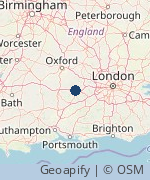
- London, Essex, Hertfordshire, Bedfordshire, Bristol, Wiltshire, Dorset, Buckinghamshire, Berkshire, Hampshire, Oxfordshire, Surrey
- Notice Period:
- Emergency (maybe less than one week's notice)
- Type:
- Professional
- Fee:
- Paid: £80 plus travel @45p per mile for each talk. Can also be run online
- Category:
- History
- Updated:
- 6th July 2026
- Tagged:
- Raf | Bomber Command | Aviation History
A compelling public audience series tracing the RAF’s journey from early war improvisation to late war dominance — told through the stories of the Wellington, Halifax and Lancaster, and the men who flew them.
- Wellington: The Bomber That Bent but Didn’t Break The story of the aircraft that carried the RAF through its darkest hours. Historian and lecturer Dr Richard Marks opens the series with the remarkable Vickers Wellington — the geodetic framed bomber that could flex, absorb damage, and still bring its crews home. This talk explores Barnes Wallis’s revolutionary design, the Wellington’s early war missions, and the courage of the men who flew it when Britain stood alone. Accessible, surprising and rich with human drama, it reveals how resilience — in both machine and crew — shaped the early air war.
- Halifax: The Heavy Bomber Britain Almost Forgot A long overdue spotlight on Bomber Command’s unsung workhorse. In the second talk, Richard turns to the Handley Page Halifax, the heavy bomber overshadowed by its more famous counterpart. He uncovers the Halifax’s evolution, its major operations, and the extraordinary risks faced by its crews. This session also explores why the Halifax slipped from popular memory, despite its vital role in strategic bombing, clandestine missions, and the long grind toward victory. Thoughtful, engaging and full of human stories, it restores the Halifax to its rightful place in the wartime narrative.
- Lancaster: Britain’s Night Warrior The aircraft that became the symbol of Britain’s night offensive. The series concludes with the Avro Lancaster — the machine that combined engineering brilliance with the bravery of the crews who flew it into the most dangerous skies in Europe. Richard brings to life the Lancaster’s design, its famous raids, and the lived experience of the men who operated it under relentless pressure. He also examines the wider strategy and controversy of Bomber Command, offering a balanced, compelling portrait of an aircraft — and a community — that shaped the final years of the war. Series Overview Across these three talks, Richard guides audiences through the evolution of Britain’s bomber force: • from the flexible Wellington, holding the line in 1939–41 • to the rugged Halifax, fighting a long and often overlooked campaign • to the iconic Lancaster, spearheading the RAF’s night offensive Each session blends engineering ingenuity, human stories, strategic context and the moral complexity of the air war — offering a rich, accessible and deeply engaging journey through one of the most challenging chapters of the Second World War.
About Richard Marks
Dr Richard Marks is a freelance historian based in Berkshire, known for bringing Britain’s industrial past vividly to life. With a PhD in History from the University of Reading (2024), he specialises in industrial, military, and railway history, as well as the history of science — weaving together technical insight and human stories with compelling clarity.
His current research explores the forces of industrial and social change in the Victorian era, charting the evolution of Britain’s railways, canals, and manufacturing landscapes. Whether delving into the machinery of empire or the lives shaped by it, Richard offers audiences fresh perspectives on how Britain was built — and what it left behind.
A seasoned educator and engaging speaker, Richard lectures part-time at the University of Oxford and has taught a wide range of historical subjects to diverse audiences. His talks combine scholarly rigour with accessible storytelling, making him a sought-after contributor to heritage events, academic panels, and public programmes.
Richard's talks are suitable for different audiences and group sizes. He can adjust the length and format to meet your needs. His goal is to inform and entertain, and to leave the audience with a new insight and a desire to learn more.
Whilst Richard usually runs face to face talks in London and the South East, he is happy to discuss talks anywhere in the United Kingdom, and is more than comfortable with presenting over Zoom. Please feel free to contact Richard to discuss costs and options for any of his talks.
Richard regularly updates his list of talks as he completes research into a variety of topics, so do check back on his page to see what's new.
Richard mostly delivers talks in South East but has travelled further afield and is available to discuss travelling anywhere in the UK. He is also comfortable delivering virtual talks through Zoom.
Feedback from previous talks: "Richard had clearly done a massive amount of research and preparation. He is an excellent presenter very knowledgeable and engaging speaker. It was informative and thought provoking."
"I found the whole subject fascinating and wanted to learn more."

Other Talks on SpeakerNet by Richard Marks
- A Lot More than Spitfires; Behind the Battle of Britain
- Arrival of the Railways in Reading
- A Bombers Moon: The Equipment and Tactics of RAF Bomber Command during World War Two
- Iron Dragons: British Tanks in the First World War
- A Barber and a Surgeon: Medicine in Victorian Times
- Stephensons Horses: The Victorian Railways
- Trouble at Mill: Life in the Victorian Factories
- An Eclectic Extravaganza: Victorians at Leisure
- Chocks Away: The Royal Flying Corps in the First World War
- So You Think We Do Not Make Anything Anymore ? British Manufacturing in the 21st Century
- The Great Western Railway in Victorian Berkshire
- Munitions Workers in World War One
- Britains Railways During World War One
- Britains Railways During World War Two
- Munitions Workers in World War Two
- They also Served: Women in Britain's Armed Forces during World War Two
- A Germination of an Idea: The Suttons Seeds Company
- A lot of Bs: Industry in Victorian Reading; more than just Biscuits
- What did Aunt May do in the War? Munitions Workers in World War One for Family Historians
- What Did Grandma do in World War 2? Munitions Workers in World War Two for Family Historians
- The Royal Flying Corps in World War I for Family Historians
- The Royal Air Force in World War 2 for Family Historians
- The Royal Navy in World War I for Family Historians
- The Royal Navy in World War Two for Family Historians
- Football and World War One
- Britain's Railway History for Family Historians
- The Royal Air Force in World War 2
- Biscuits for Queen Victoria: The Story of the Early Days of Huntley and Palmer
- The Royal Navy in World War I
- The Royal Navy in World War 2
- The Western Front in World War One
- The Home Front in World War I
- More Than France: Why World War I was a World War
- A British Industrial Giant that Never Was: The Story of British Rail Engineering Limited
- Living in The Slums: The Experience of the Victorian Working Class
- D-Day: Operation Overlord and the Liberation of Europe
- Railway 200: The British Railway Revolution
- Railway 200: How Britains First Railways Changed Everything
- The World's First Steam Tramway: The Story of the Wantage Tramway
- Steel Fortresses: British Tanks in World War Two
- What the Victorian railway did for you...
- Victory in Europe. Victory in Japan. But what really won World War Two for the Allies ?
- Trams and Biscuits: The History of Reading's Tramways
- The Good, The Bad and the Sandwich: The Story of British Rail in the 1970s
- Deck the Halls: How the Victorians Invented Christmas
- From Cottage to Factory: How the Industrial Revolution Shaped Our Ancestors’ Lives
- Engines of Change: The Industrial Revolution and the Making of Modern Britain
- Spitfire at 90: The Story of Britain’s Most Beloved Aircraft
- The Lion Has Wings: A Brief History of the British Aircraft Industry
- First Man In Space: The Beginnings of the Space Race
- Signals, Secrets and the Silent War: The Story of Bletchley Park
- Footprints on the Moon: How Apollo Beat the Odds
- Lancaster: Britain's Night Warrior
- Halifax: The Heavy Bomber Britain Almost Forgot
- Wellington: The Bomber That Bent but Didn’t Break
- Spitfire vs. Messerschmitt: The Battle for the Skies
- Wildcat vs Zero: Duel in the Pacific Skies
- Stations in Society: Meeting Places, Marketplaces, Masterpieces
- Why You Should Hire History Graduates: Skills for a Smarter Business
- Vickers at Brooklands – The Other Story of Britain’s First Aerodrome
- Beneath the Surface: The Story of Britain’s Mining Communities
- When the Railway Came to Town: How the Tracks Transformed Local Life
Send a message to the speaker
If you are interested in this talk and wish to contact the speaker, please complete the following form: