The Secrets of the Stocking
Mike Wabe SpeakerNet Sponsor
- Organisation:
- Medieval World
- Region:
- East of England
- Notice Period:
- Short (maybe less than one month's notice)
- Type:
- Professional
- Fee:
- Paid: £50 plus a small fee for travel
- Category:
- Entertainment
- Updated:
- 5th February 2026
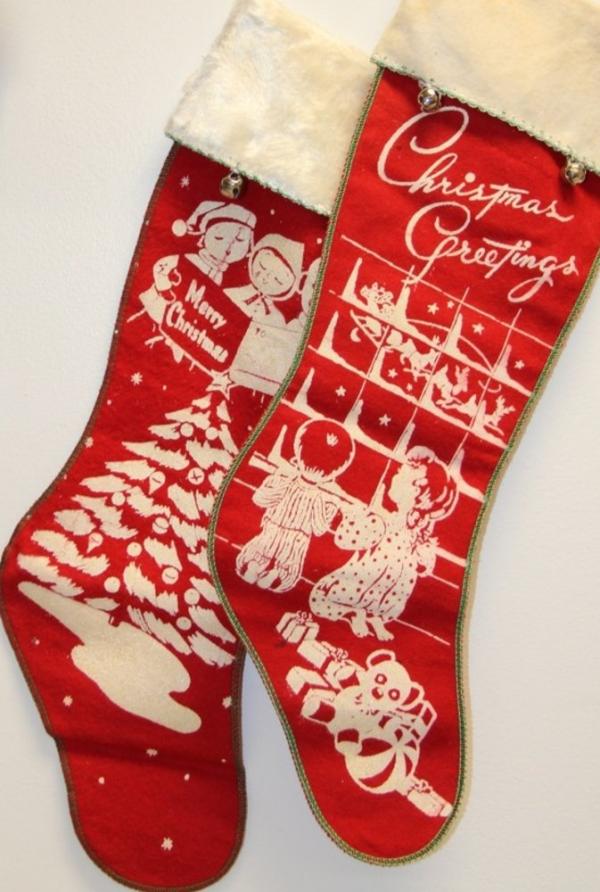
Behold the Christmas stocking - a sock with ambition. It starts life expecting a foot and ends it stuffed with chocolate, gadgets and the crushing responsibility of Christmas morning expectations. No other item of clothing has such a dramatic career.
The origin of the stocking begins, as many good Christmas traditions do, with Saint Nicholas, the original overnight delivery expert. Good old St. Nick tossed bags of gold coins through a window to help a poor family, and - by festive coincidence - they landed in stockings hung by the fire to dry. This taught the world two important lessons - generosity is good, and leaving laundry unattended can lead to free money. From then on, people everywhere thought, “Yes, I really should hang my socks near an open fire and hope for treasure.”
Early stockings were, quite literally, socks - woolly, practical and probably itchy. They were not colour-coordinated. Over time, however, stockings evolved. Velvet, felt, embroidery, bells and names stitched in festive cursive appeared. This was partly decorative and partly to prevent siblings from claiming, “I thought this one was mine.” Modern stockings now come in every imaginable style, including ones shaped like animals, vehicles and things that raise polite questions from visiting grandparents.
Not every country embraced the sock-on-the-mantel approach. In France, children leave shoes for Père Noël, proving the French prefer elegance even in gift receptacles. In Germany and the Netherlands, boots are popular - roomy, sensible and excellent for holding chocolate. In Italy, La Befana the Christmas witch, fills socks or shoes with treats or coal, depending on behaviour. Japan, meanwhile, skipped the stocking entirely and went straight to beautifully wrapped gifts, because efficiency is festive too.
What goes inside a stocking has changed almost as much as the stocking itself. Traditionally, it held small, meaningful items - fruit, nuts, sweets and coins. Oranges were once a luxury, making them the 19th century equivalent of today’s fancy chocolates. Coins were especially important, symbolising prosperity and good luck, and directly referencing Saint Nicholas’s original gold. Chocolate coins later joined the tradition, offering the thrill of wealth without the inconvenience of actual purchasing power.
Today’s stockings are tiny treasure chests. They hold tech accessories, novelty socks (sock irony is unavoidable), beauty products, snacks and at least one item that makes you say, “This is weird, but I love it.” And that’s the magic. The Christmas stocking isn’t about big gifts - it’s about small surprises, old stories and the timeless joy of discovering what Father Christmas managed to fit inside a sock.
Views: 344 | Enquiries: 1About Mike Wabe
PLEASE NOTE THAT ALL MY TALKS LAST AROUND 60 MINUTES.
I am based in Thetford, Norfolk, but happy to travel. My work history is 29 years a police officer, followed by 4 years as a manager for Autoglass, then by 10 years as a prison officer and ending with 3 years as an Inclusion Manager in a secondary school. I am now a Town Crier and have been a speaker for over 20 years.
My website (www.medievalworld.org.uk) gives details of the talks and presentations I can offer. All my presentations last for about 60 minutes and cost £50 plus a fee for travel. However, I do not charge the standard 45p per mile, but only for what petrol I use for the journey.


Other Talks on SpeakerNet by Mike Wabe
- That Rings a Bell - the history of the Town Crier
- Witches and Witch Hunting in East Anglia
- Foul Murders of East Anglia
- Britain's First Serial Killer
- A Christmas Carol
- Father Christmas - Myths and Mistletoe
- Christmas and Ghost Stories
- From Twang to Bang
- When Radio Caught a Killer
- One Man's Meat . . .
- Paranormal East Anglia
- The London Underground Serial Killer
- The Lethal Lawyer
- Ghostly Guards & Phantom Platforms
- Powder to the People!
- A Bloody Scoundrel!
- Titanic & East Anglia
- 30-Minute Theatre
Send a message to the speaker
If you are interested in this talk and wish to contact the speaker, please complete the following form: