The Hanging Gardens of Babylon
David Marsh
- Region:
- Anywhere
- Notice Period:
- Emergency (maybe less than one week's notice)
- Type:
- Professional/academic/Hobby/Rotary/sometimes charity
- Fee:
- Paid: £125-150 depending on distance + expenses
- Category:
- History
- Updated:
- 12th October 2026
- Tagged:
- Gardens | Biblical | Archeology | Mystery
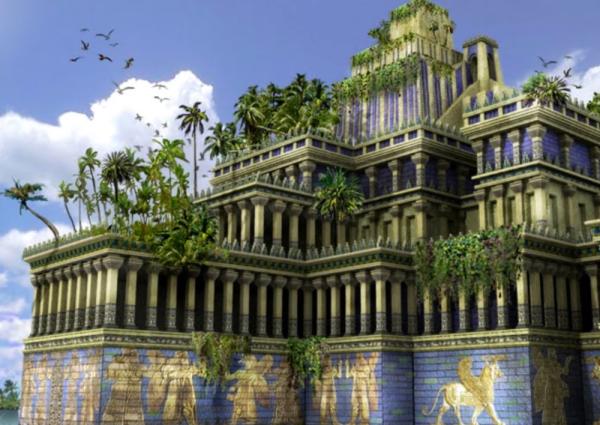
Babylon was the capital of one of the great empires of the ancient world, renowned for its wealth and architectural splendour, and of course for its Hanging Gardens, which were one of the Wonders of the Ancient World. So, you might be surprised to know there is absolutely no archaeological evidence – at least in the surviving remains of Babylon – to prove the garden’s existence. That hasn’t stopped artists imagining what they looked like, with varying degrees of fantasy. Indeed, Babylon and its gardens continue to inspire those with fertile imaginations, and the only problem is separating myth from reality. That’s what I’m aiming do in this lecture.
Views: 9 | Enquiries: 0About David Marsh
I've been lecturing "live" and on-line about every aspect of the history of gardens, landscapes, as well as plant hunting /plants/botany for more than 25 years to gardens clubs, U3A groups, and to museums like the V&A & across higher education. I discovered the subject because after a career as a head teacher I took very early retirement and went back into education full time on my own account. I did a four year diploma course in Garden History which led on to an MA in Historical Research and then a PhD at Birkbeck College, University of London on The Gardens and Gardeners of Later Stuart London.
I was a trustee of The Gardens Trust, the national campaigning body for the protection and support of our historic parks, gardens and designed landscapes and chaired their education committee from 2016 until 2023. I also write a weekly blog for them which you can find at thegardenhistory.blog
I've run courses on the history of gardens [and many other things] at Birkbeck and City Lit. I'm currently an honorary Senior Research Fellow at the University of Buckingham and run a Masters Course in Garden History as well as offering supervision to PhD students.
If all that sounds posh - rest assured I'm not!
Other Talks on SpeakerNet by David Marsh
- The Little Men in Red Hats
- Castles for Cows & Palaces for Poultry
- What Made Your Garden Grow?
- The Joys [and Problems!] of Making a Garden in France
- The History of the London Square
- Plants on Paper: A Potted History of Botanical Art
- The Opposite of Chelsea: The Garden Festival at Chaumont-sur-Loire
- The National Botanic Gardens of Burma
- Humphry Repton: Britain’s First Landscape Gardener
- Tools of the Trade
- Puzzle Pictures
- The Elephant in the Garden
- The History of the Cottage Garden
- The Tradescants
- The palaces of Tudor London and their gardens...and their beasts!
- The Great Geranium Robbery
- An Introduction to Tudor and Stuart Gardens
- The Loudons
- The Picturesque
- Moorfields: The Story of London's First Public Park
- The garden of the Hesperides
Send a message to the speaker
If you are interested in this talk and wish to contact the speaker, please complete the following form: