Researching William Strutt FRS of Derby: A tradesman of some eminence
Dr Ian Jackson
- Region:
- East Midlands
- Notice Period:
- Short (maybe less than one month's notice)
- Type:
- Hobby, Community engagement
- Fee:
- Paid: £60 plus travel expenses
- Category:
- History
- Updated:
- 22nd July 2026
- Tagged:
- Strutt | Industrial Revolution | Derby | Engineer
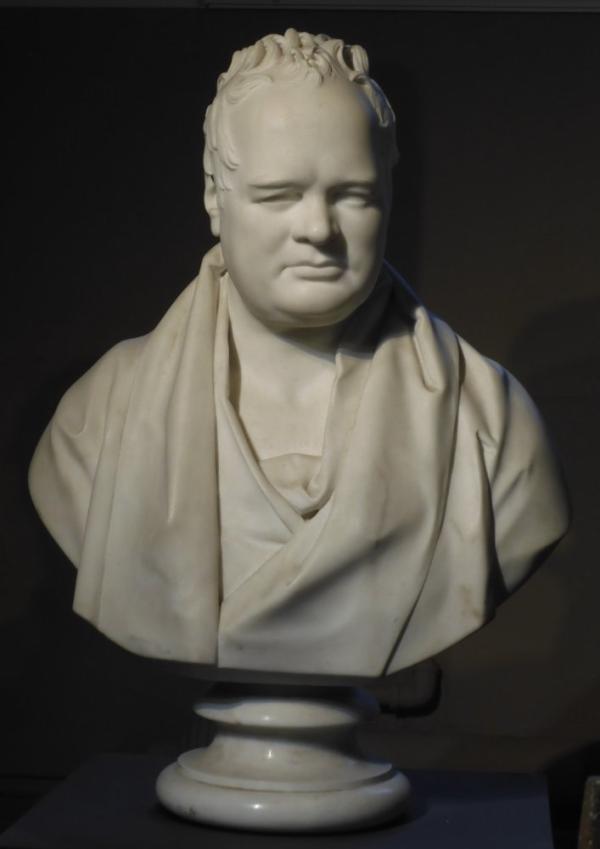
As William Strutt left no journals or diary, we need to look at contemporary accounts of his work and legacies to understand why he was so respected by his peers, including his appointment as a Fellow of the Royal Society. This talk includes that process and the discoveries made, including his more famous improvements, such as his fire-proof mills and stove heating systems, and other less well-known inventions and activities.
Whilst William Strutt was recognised widely during his lifetime, he is not on the list of great British Engineers today, and this research hopes to change that.
Views: 144 | Enquiries: 0About Dr Ian Jackson
Whilst running his business consultancy with his wife, Ian became involved in the Transition Network looking for local solutions to the challenge of climate change. Based in the Derwent Valley Mills World Heritage Site, the obvious potential solution was the use of waterpower. A combination of leading a project to try to reinstate hydropower at an industrial site as a community energy enterprise, and researching the past, present and potential use of waterpower in the world heritage site, ultimately led to his PhD research project, 'Climate change mitigation: Learning from the past to unlock the hydropower potential of the Derbyshire Derwent catchment'.
Ian's talks incorporate PhD findings (completed in December 2024) and his continuing research relating to the past, present and future potential use of waterpower, the stewardship of the river and the Strutt's of Derbyshire.

Send a message to the speaker
If you are interested in this talk and wish to contact the speaker, please complete the following form: