Hitler's Germany : How did it happen?
Dr Robert Pike
- Region:
- Anywhere
- Notice Period:
- Short (maybe less than one month's notice)
- Type:
- Professional
- Fee:
- Paid: From £60
- Category:
- History
- Updated:
- 27th July 2026
- Tagged:
- Second World War | Rise Of The Nazis | Adolf Hitler
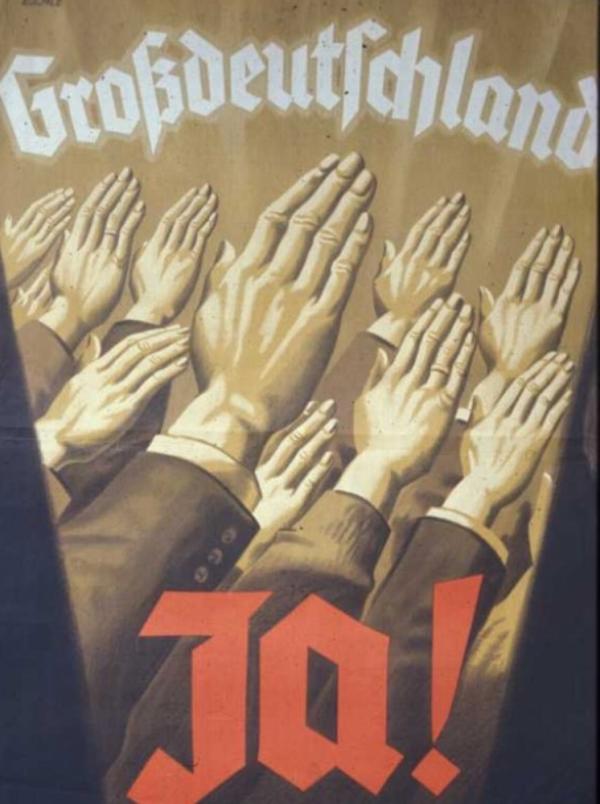
Why did one of the most cultured and advanced societies in Europe descend into dictatorship, persecution and genocide? This accessible and thought-provoking talk explores how Adolf Hitler and the Nazis came to power, and how ordinary people became part of one of history’s darkest regimes. Moving beyond simple explanations, the talk examines the crisis of Weimar Republic, Hitler’s extraordinary political appeal, propaganda, fear, economic instability, and the gradual radicalisation of Nazi policy. Drawing on major historical debates — including intentionalism, functionalism, and the concept of cumulative radicalisation — the session explains complex ideas in a clear and engaging way for non-specialists. In today's climate it is not enough to simply to condemn the past. Instead Dr Robert Pike asks a more uncomfortable and important question: what made Germany's slide to Nazism possible?
Views: 390 | Enquiries: 0About Dr Robert Pike
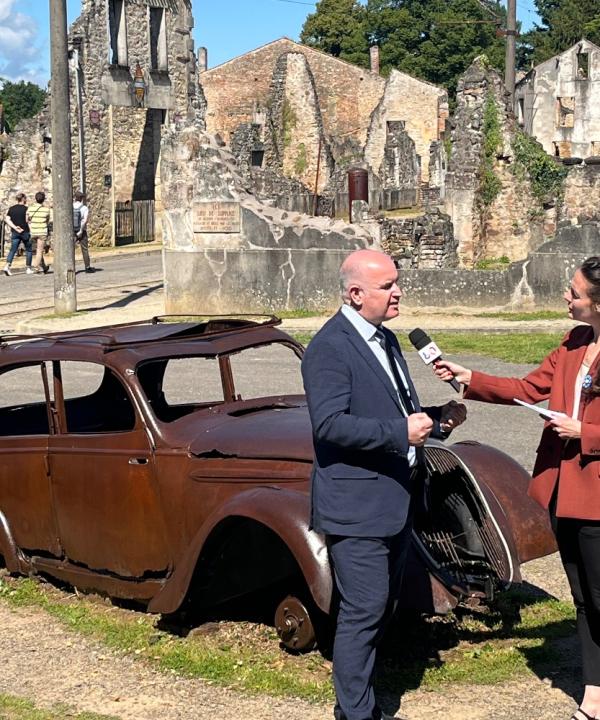
Dr Robert Pike gained a PhD at Cardiff University in 2026. His thesis is on the social history of the rural French Resistance in central and southern France. He graduated from the University of Exeter in 1998 with a BA Hons. in History and French. He also holds an MSc in Social Science Research Methods, and a PGCE in modern languages at secondary level. He wrote his first book, Defying Vichy, after interviewing former members of the French Resistance in Dordogne, a French département very close to his heart. His second book, Silent Village, tells the story of the tragedy at Oradour-sur-Glane, France's biggest wartime massacre. 643 men, women, and children were killed on a single day on 10 June 1944 by the SS Panzer Division "Das Reich" and the book recounts the history of the village during the occupation period. It reconstructs the events of that fateful day, and the unreported events of the days that followed. First published in April 2021 a third edition was published in May 2024 in time for the 80th anniversary of the massacre, alongside a French edition titled Oradour s'est'tu (Flammarion, 2024).
Robert teaches as an Associate Lecturer at Worcester University. He has written for History Today and BBC Magazine, and contributed to The Telegraph, The Daily Mail (UK), The Washington Post, and the New York Times (US). His work on Oradour-sur-Glane has led to television appearances on France 2 and M6. He has given conferences in Limoges and Oradour-sur-Glane, and many venues in the UK including the Gloucester History Festival. He has also contributed papers to conferences about the French Resistance at Oxford University and Cardiff University.
Robert lives in Worcestershire with his wife and two children.
www.robertpike.co.uk
Other Talks on SpeakerNet by Dr Robert Pike
Send a message to the speaker
If you are interested in this talk and wish to contact the speaker, please complete the following form: