How Britain Became British: Migration, War and Identity, 1700–1830
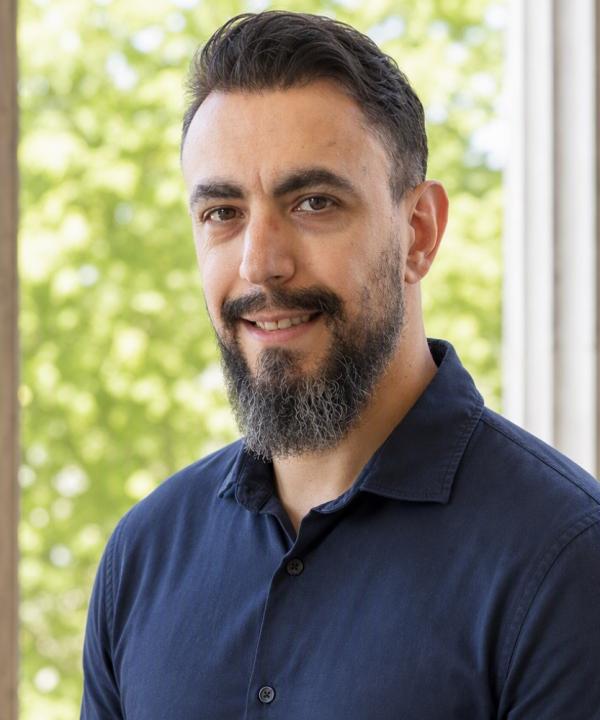
Roberto Nigro BA MRes ARHistS
- Region:
- Anywhere
- Notice Period:
- Regular (more than one month's notice)
- Type:
- Professional
- Fee:
- Unknown
- Category:
- History
- Updated:
- 18th May 2026
- Tagged:
- Social History | British Identity | Cultural History | Britain
What did it mean to be “British” at a time of war, migration, and rapid social change? This talk examines how national identity took shape in the long 18th century, not only through shared culture and political ideals, but also through conflict, exclusion, and competing notions of belonging.
Set against the backdrop of imperial expansion and repeated wars with France, the talk explores how external enemies helped define the boundaries of the nation, particularly in opposition to perceived “foreign” and Catholic influences. At the same time, internal tensions—especially surrounding Irish migrants and Jewish communities—revealed the fragility and inconsistency of emerging ideas of Britishness.
Views: 188 | Enquiries: 0About Roberto Nigro BA MRes ARHistS
Roberto Nigro is a historian and public speaker based at University College London and is an Associate Fellow of the Royal Historical Society. Roberto's research and talks specialise in Georgian and Regency Britain, with a particular focus on identity, masculinity.
His talks explore the social world of the 18th and early 19th centuries, bringing to life a period shaped by conflict, migration, and dramatic cultural change. Drawing on original research and public history projects, he offers engaging and accessible talks that combine academic rigour with compelling storytelling.
Roberto has delivered public talks and seminars for community audiences through organisations such as Black History Walks and St Margaret’s House, where he served as lead historical consultant and speaker on the Mendoza Mania project.
His work highlights the lives of figures such as Daniel Mendoza, Tom Molyneaux, and Bill Richmond, exploring themes of race, identity, and status in Georgian Britain.
Alongside his research and speaking, Roberto works at University College London coordinating a wide range of public-facing events, conferences, and short courses. This experience underpins his ability to deliver well-structured, engaging, and professionally delivered talks for diverse audiences.
His talks are suitable for a wide range of groups, including history societies, local community organisations, U3A, and educational audiences, and can be adapted for both in-person and online delivery.
Send a message to the speaker
If you are interested in this talk and wish to contact the speaker, please complete the following form: