King Edward II
Baz Aveyard
- Regions:
- East Midlands, East Midlands, East Riding, East Riding
- Notice Period:
- Emergency (maybe less than one week's notice)
- Type:
- Historian
- Fee:
- Free
- Category:
- History
- Updated:
- 13th May 2026
- Tagged:
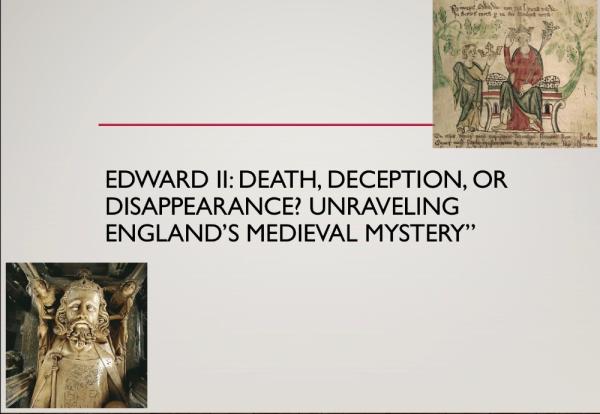
Baz Aveyard’s talk on the survival of King Edward II explores one of the most fascinating and controversial mysteries in medieval English history: did Edward II really die at Berkeley Castle in 1327, or did he escape and live on in secret?
The presentation examines the traditional account of Edward’s downfall, deposition, and supposed murder, before exploring the evidence that has led some historians to question the accepted story. Drawing on chronicles, letters, political events, and later medieval sources — including the famous Fieschi Letter — Baz investigates the possibility that Edward survived captivity and spent his later years living in obscurity on the continent or even within England itself.
The talk also places Edward’s story within the turbulent political world of fourteenth-century England, exploring his relationships with figures such as Piers Gaveston and Hugh Despenser, the rebellion of Queen Isabella and Roger Mortimer, and the fragile nature of kingship during the medieval period.
Rather than offering sensational conclusions, the presentation carefully weighs myth, propaganda, and evidence, inviting audiences to consider why the story of Edward II’s possible survival has endured for centuries.
Engaging and thought-provoking, the talk combines historical detective work with the wider drama of medieval politics, bringing one of England’s greatest royal mysteries vividly to life.
Views: 25 | Enquiries: 0About Baz Aveyard
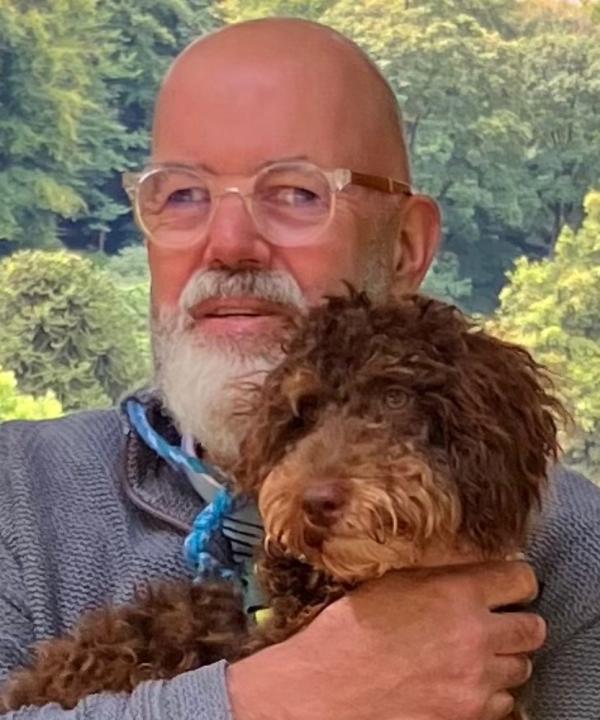
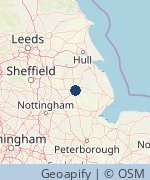
Barry Aveyard is an independent historian, researcher, and speaker specialising in late medieval England, with particular interests in Katherine Swynford, the Beaufort family, and the dynastic politics of the fourteenth and fifteenth centuries. Based in Lincoln, Barry combines rigorous historical research with an engaging and accessible presentation style that has made him a popular speaker with U3A groups, local history societies, and heritage audiences across England.
A former nurse academic and qualified teacher, Barry previously authored several nursing textbooks before turning his attention fully to historical research and writing. He is currently writing his first full-length history book, Matriarch of the North: Joan Beaufort, Daughter of Katherine Swynford and John of Gaunt, exploring the remarkable influence of Joan Beaufort and her descendants on the political landscape of medieval England.
Barry’s work focuses particularly on challenging myths and oversimplified narratives surrounding medieval women. His research explores the lives of figures such as Katherine Swynford not simply as romantic heroines, but as politically significant and influential women operating within the realities of medieval society. His talks draw upon primary sources, chronicles, monuments, and local landscapes to bring the medieval world vividly to life.
Alongside his speaking engagements, Barry writes the historical blog Katherine Swynford: A Life Well Lived, where he shares ongoing research, reflections, and explorations of medieval Lincolnshire and the wider Plantagenet world.
Other Talks on SpeakerNet by Baz Aveyard
Send a message to the speaker
If you are interested in this talk and wish to contact the speaker, please complete the following form: