Fish and Fasting
Mark Dawson
- Region:
- East Midlands
- Notice Period:
- Short (maybe less than one month's notice)
- Type:
- Hobby
- Fee:
- Paid: £60
- Category:
- History
- Updated:
- 7th May 2026
- Tagged:
- Food History | History
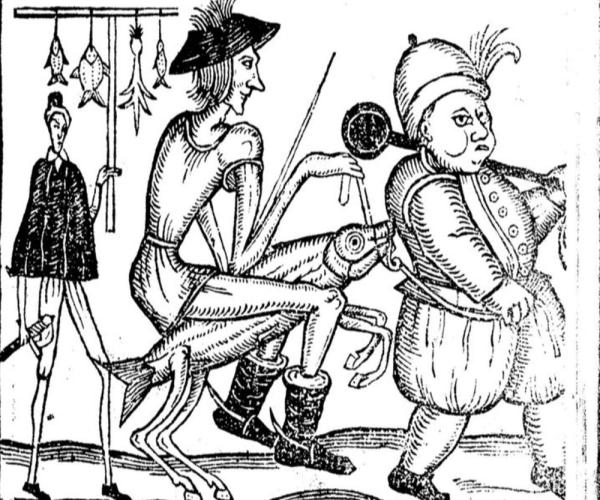
Fasting was once a major part of daily life in England with up to 40% of the year being fast days. This talks looks at the origins and the pattern of fasting that ordinary people had to maintain for hundreds of years. What restrictions did fasting place on the foods people could eat and what foods did they have to eat instead? When did fasting decline and why and what legacy did it leave?
Views: 372 | Enquiries: 1About Mark Dawson
I've been researching, writing and giving talks about the history of food and drink for the last 20 years. I gained a PhD from Nottingham University in 2007 for my study of food and drink in a gentry household in the 16th century. Since then I've conducted extensive research into traditional food and drink in Derbyshire and Nottinghamshire and done some studies of individual foods - sheep's milk cheese, oatcakes and Henderson's Relish. I'm secretary of the Leeds Symposium on Food History and Traditions.
I'm used to giving talks to a wide variety of audiences - both national and local history societies and more general groups such as U3A, Probus and WI. Everything I talk about is thoroughly researched, but the aim is to entertain rather than just to lecture.
All talks are 45 minutes to 1 hour and illustrated by Powerpoint slides. I'm also happy to deliver all talks either in person or over Zoom.
I charge £50 that includes travelling expenses if within 25 miles of my home in North Derbyshire. I am prepared to travel further afield but may need to charge a little more to cover travel costs.
Other Talks on SpeakerNet by Mark Dawson
- The history of Derbyshire Oatcakes
- A Saucy Tale. The History of Henderson's Relish
- What's up with ewe? 2000 years of English sheep's milk cheese
- To everything a season? The place of seasonal foods in Tudor England
- Food and Drink in Tudor Times
- Just Desserts. An alternative history of Derbyshire in 3 Puds
- Robin Puds: Traditional Puddings of Nottinghamshire, fact and fiction
- Monster Cakes and the Christmas Pudding King
Send a message to the speaker
If you are interested in this talk and wish to contact the speaker, please complete the following form: