The Iraqi Super Gun That Wasn't
Alan Mills SpeakerNet Sponsor
- Organisation:
- Falcon Global Ltd
- Region:
- Anywhere
- Notice Period:
- Short (maybe less than one month's notice)
- Type:
- Professional
- Fee:
- Paid: From £500 to £2,500 depending on audience, event format, preparation required and travel. Open to di
- Category:
- Entertainment
- Updated:
- 27th March 2026
- Tagged:
- Critical Thinking | Media & Perception | Real Life Experience | Oil & Gas
When the biggest story in the news meets a lack of understanding, reality can take on a life of its own.
In this engaging and often humorous account, Alan recounts how a straightforward engineering project in Middlesbrough was mistaken for part of Saddam Hussein’s notorious “supergun” programme — drawing in local authorities, media, and a growing wave of speculation.
This talk is a fascinating case study in how narratives form, how misinformation spreads, and how easily engineering work can be misunderstood. It challenges audiences to think critically about what they see, hear, and believe.
Views: 257 | Enquiries: 0About Alan Mills
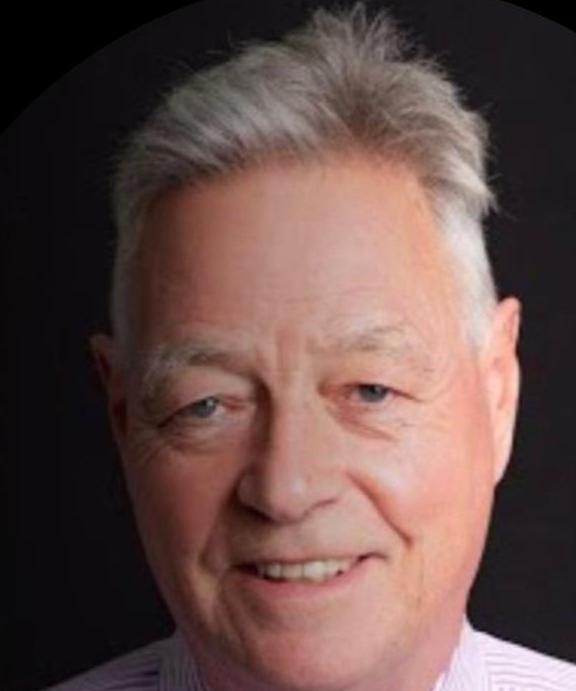
Alan Mills – Engineering, Safety, and Stories from the Field Founder of Falcon Global and Creator of Zenator
Alan Mills is a globally respected expert in Systems Completion and Commissioning & Start-Up (CSU), with over 40 years of frontline experience across oil & gas, petrochemicals, nuclear, and renewables.
A Chartered Engineer and Fellow of IMarEST, Alan’s career began on construction sites and offshore facilities, where early experiences — shaped in the shadow of Piper Alpha disaster — instilled a lifelong commitment to safety, discipline, and doing things the right way. “Safety became my Why” has guided his work ever since.
Alan is the founder of Falcon Global and creator of Zenator, a software platform used by major Operators and Contractors to deliver safer, faster project completions. He is also the creator of the MasterClass CSU training program, accredited by API and ECITB, which has educated hundreds of professionals worldwide.
An engaging and thought-provoking speaker, Alan combines deep technical knowledge with vivid, real-world stories from a career spent on major projects around the world. Whether speaking about safety, leadership, or the realities of engineering in high-risk environments, his talks resonate with engineers, executives, and frontline teams alike.
His presentations range from the critical importance of CSU in project delivery to compelling first-hand accounts of how things can go wrong — and what we can learn when they do.
Other Talks on SpeakerNet by Alan Mills
- After Piper Alpha, Safety Became My Why – Why CSU Training Can’t Be Optional
- “Everything Was Fine... Until It Wasn't” – Lessons from the Sharp End of Project Failures
- “We Skipped the Training — What Could Possibly Go Wrong?”
- “The Moment We Knew We Were in Trouble” – How to Spot a Project Sliding into Chaos
- “Trust Me, It’s Ready” – Famous Last Words Before the Alarms Go Off
- “Safe, Late, or Broken – Pick Any Two?”
Send a message to the speaker
If you are interested in this talk and wish to contact the speaker, please complete the following form: