Ghostwriting novels
Ben Jeapes
- Regions:
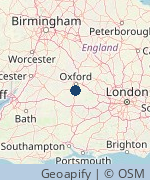
- England, Oxfordshire, Buckinghamshire, Berkshire, Hampshire, Wiltshire
- Notice Period:
- Regular (more than one month's notice)
- Type:
- professional, hobby
- Fee:
- Paid
- Category:
- Hobbies
- Updated:
- 5th March 2026
- Tagged:
- Books Writing | Novel Writing | Novels
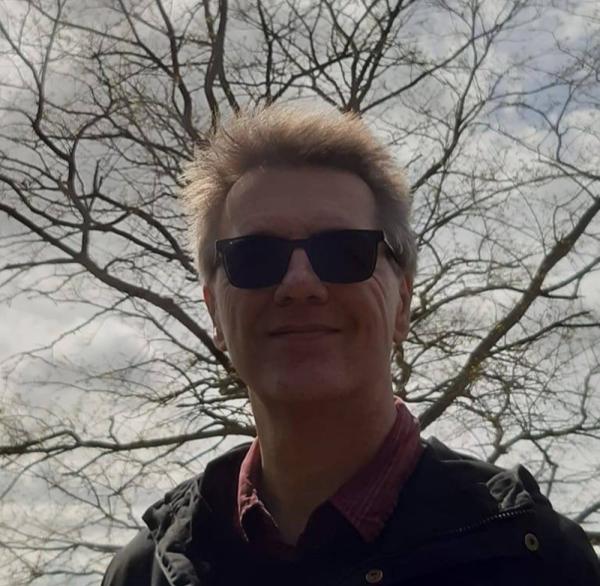
The popular perception of ghostwriting is that it is done by some underpaid hack on behalf of someone with far more money and less talent, who takes all the credit. In fact at its best it is a very rewarding partnership where all parties play to their respective strengths. Backed up a range of experience and anecdotes, Ben talks about: • How he became a ghostwriter; • Why can’t the author just write it themselves? • Variations on ghostwriting; • The ethics of ghostwriting.
Views: 247 | Enquiries: 0About Ben Jeapes
Ben Jeapes has been a full-time ghostwriter since 2015, and was a published author in his own right long before. As a ghostwriter he has over fifty novels to his credit, mostly for children and young adults, though he has also written crime and thrillers for adults. His clients have included several people you will have heard of, whom he couldn't possibly name here but may be persuaded to provide clues about. His speciality is taking a client’s life, experiences and skills and working them into fictional form. His experiences are described in his how-to book GHOSTWRITING NOVELS: A GUIDE FOR GHOSTWRITERS AND THE GHOSTWRITTEN. Although most of his work has been writing fiction, he also writes popular science, non-fiction and biography.
Under his own name he is the author of eight novels and a collection of eighteen short stories, all written alongside the day job: nearly 30 years working in publishing (social sciences, I.T., medicine, science fiction and law) and technical communications. His children’s biography ADA LOVELACE (David Fickling Books 2019) was chosen by the National Science Teaching Association as one of the Best STEM Books of 2021.
Other Talks on SpeakerNet by Ben Jeapes
Send a message to the speaker
If you are interested in this talk and wish to contact the speaker, please complete the following form: