“Du Strick, Du Kugel”: “You hang, you take the bullet”: Pancevo Massacre, 1941
Kevin Brown
- Region:
- Anywhere
- Notice Period:
- Regular (more than one month's notice)
- Type:
- Professional
- Fee:
- Unknown
- Category:
- History
- Updated:
- 9th December 2025
- Tagged:
- Second World War | War Crimes | Massacre
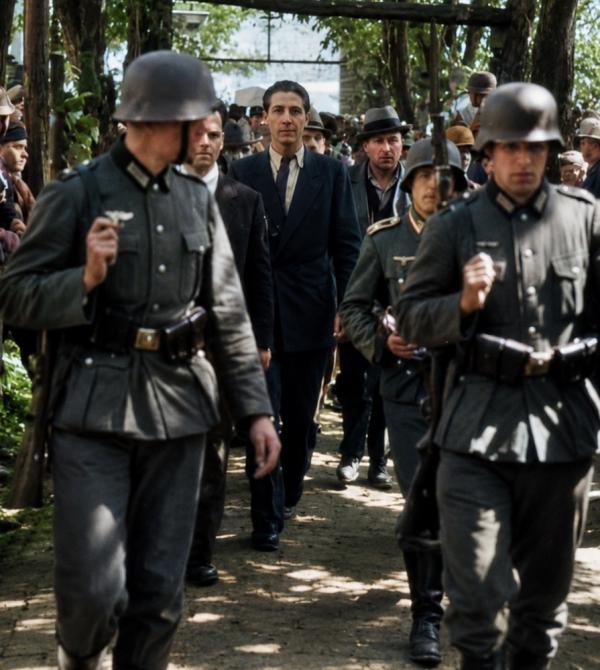
You get up in the morning, shave, dress smartly in suit, collar and tie, go outside and you're grabbed, marched off, humiliated, abused and hanged or shot! Dressed not to kill but to be killed in. That is what happened to 36 innocent civilians at Pancevo, Serbia in April 1941. They were hostages in reprisal for resistance to the German occupation of their country, but there was more to the choice of these victims than that. Was their execution a war crime? Personal vendetta, ethnic conflict, making examples as a warning against future opposition, class hatred and elimination of future leaders all had their part to play. Their story deserves to be remembered, if only because it could have happened to any of us. Life can be random.
Views: 368 | Enquiries: 0About Kevin Brown
Kevin Brown is Trust Archivist to Imperial College Healthcare NHS Trust and Curator of the Alexander Fleming Laboratory Museum. He set up the hospital archives in 1989 and established the Museum in 1993. He studied history at Hertford College, University of Oxford and qualified as an archivist at University College London.
Kevin has an expertise in the history of health and medicine and has had seven books published on different aspects of the subject, starting off with his biography of Alexander Fleming. . More recently he has published a book on Titanic which takes a different and new approach to the subject showing how the events of one night reveal a society and its attitudes.
He has been invited to give lectures all over the world. He was the first historian and non-scientist to deliver the Andrew J. Moyer Lecture at the United States Department of Agriculture in 2001. He has also been an enrichment lecturer on cruise ships. His audiences of all ages and all levels are varied from universities, schools, after dinner speaking, professional bodies to social clubs.


Other Talks on SpeakerNet by Kevin Brown
- The Mould that Changed the World
- Would you go to barber for an operation or a surgeon for a haircut?
- Crusading Medics
- Nelson and the Health of the Navy
- Was the Great War Good for Medicine?
- Medicine in the Blitz
- The Jewel in the Post War Crown: the Origin of the NHS
- Fittest of the Fit
- A Night with Venus, A Lifetime of Mercury
- Plague! Pestilence! Panic!
- Scalpels and Gamps, Doctors and Nurses in Dickens
- Doctors at Sea
- Titanic, Manly Men
- Titanic: Dutiful Wives and Heroic Women
- It Shouldn’t Happen to an Archivist
- Titanic: Hero in a Tuxedo
- Titanic: Drowning with Books, Reinvention as a New Kind of Hero
- An Anonymous Englishman on Titanic
Send a message to the speaker
If you are interested in this talk and wish to contact the speaker, please complete the following form: