What makes genetically modified crops distasteful?
Keith Davies
- Region:
- England
- Notice Period:
- Regular (more than one month's notice)
- Type:
- Professional
- Fee:
- Expensed
- Category:
- Science
- Updated:
- 21st July 2025
- Tagged:
- Gm Crops | Genetic Engineering | Biological Control | Crop Protection
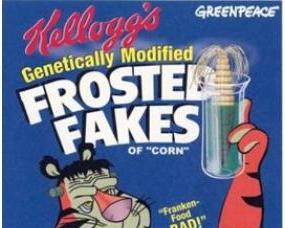
Some 25 years ago the then Prince Charles was very critical of plant scientists and the technology they were releasing onto the general public regarding genetically engineered crops. There was a huge public concern over this technology and the term Frankenfoods was born. This was a period when I was working as a research scientist at Rothamsted Research and looking for alternatives to synthetic chemical pesticides. The research I was doing involved a certain amount of genetic engineering in order to understand the process by which a micro-biological control agent infected its host and stopped it reproducing. In this talk I will describe my research on the use of a bacterium as a biocontrol agent of plant-parasitic nematodes and re-visit the issues raised by genetic modification and see how the technologies have evolved over the last quarter of a century and where we stand today on the subject of genetic engineering.
Views: 518 | Enquiries: 3About Keith Davies
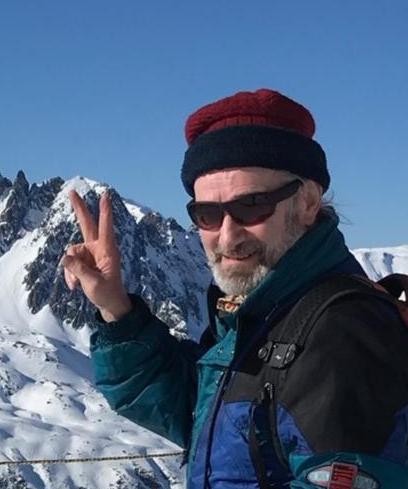
I was born in the mid-1950s at Rochdale on the edge of suburban Manchester and I am an alumnus of Oulder Hill School. As a teenager I had to opt to follow either the sciences or the arts. After graduating from The Hatfield Polytechnic, having studied soil and plant microbiology, I ended up an applied biologist working in agricultural research, firstly in Malawi, Africa, and then 25 years as a staff scientist at the oldest agricultural research station in the world, Rothamsted Research investigating novel strategies to replace synthetic pesticides. Following a sabbatical in the Department of Biochemistry at Oxford, in 2012 I joined the University of Hertfordshire (UH) and was an Associate Professor Research in applied nematology until my retirement last year. I still currently teach aspects of crop protection at UH as a visiting lecturer. I have an abiding interest in philosophy of science and understanding the divisions between art, science and religion. I recently published a book, written during Covid-19, entitled, "William Blake, the Single Vision and Newton's Sleep: A History of Science, Poetry and Progress"; I am currently working on another book on the nature of knowledge. The talks I offer on Speakernet put my professional career as an applied biologist working in the area of crop protection and environmental sustainability into its broader scientific context.
Send a message to the speaker
If you are interested in this talk and wish to contact the speaker, please complete the following form: